
Supply Chains in 2026: Why Stability Is Replacing Lowest Cost
Supply Chains in 2026: Why Stability Is Replacing Lowest Cost
Insights inspired by Vogue Business
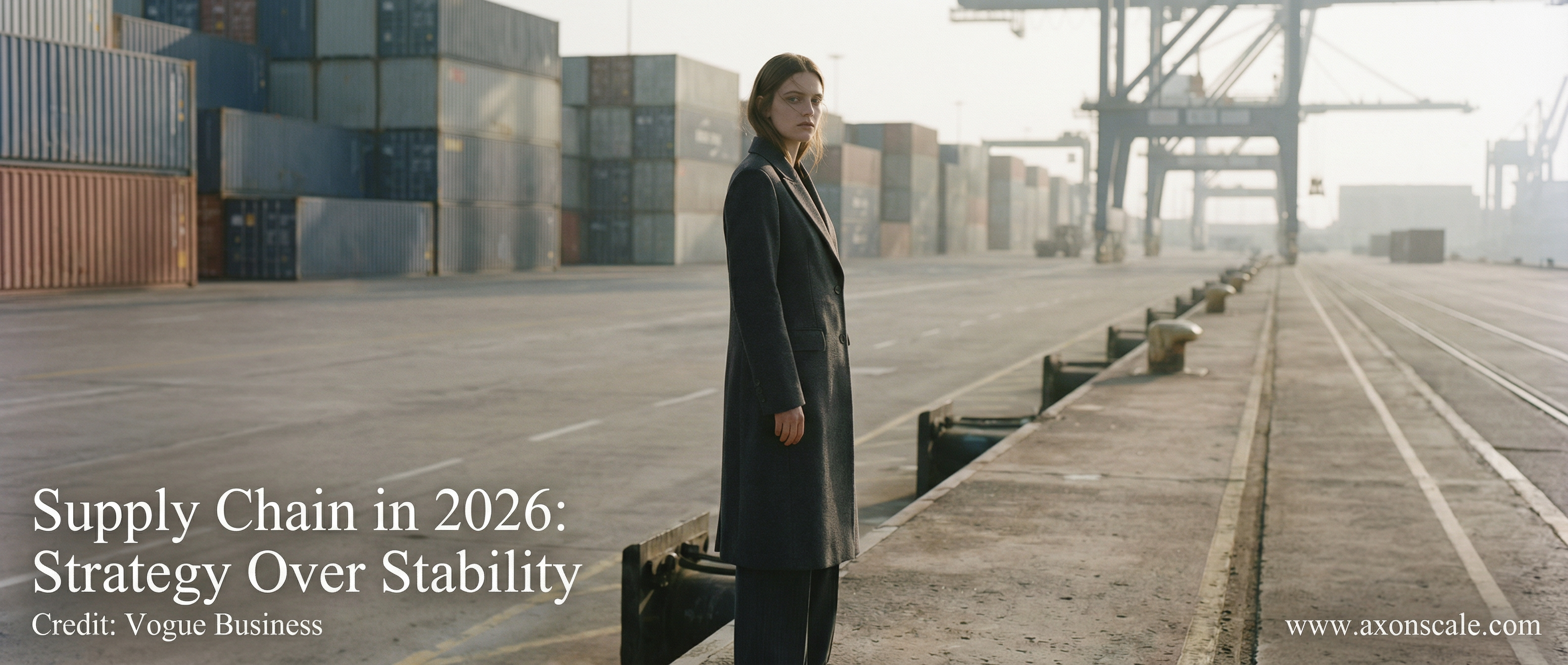
Global supply chains are entering a structurally different phase. As 2026 approaches, sourcing decisions are increasingly shaped by reliability rather than price alone. The key question has shifted from “Where can we produce at the lowest cost?” to “Where can we produce with the least operational risk?”
This change reflects the cumulative impact of 2025. Tariff volatility, climate disruption, regulatory uncertainty, and labor instability exposed the limits of cost-driven sourcing models. Analysis from Vogue Business highlights a growing consensus across manufacturing and fashion sectors: resilience has become a core competitive requirement, not a secondary consideration.
This article translates those insights into practical implications for brands, sourcing teams, and supply chain operators planning for the next cycle.
Editorial credit: Informed by reporting and analysis from Vogue Business, including “The Forces That Will Shape Fashion’s Supply Chains in 2026” (January 2026).
From Cost Optimization to Risk Management
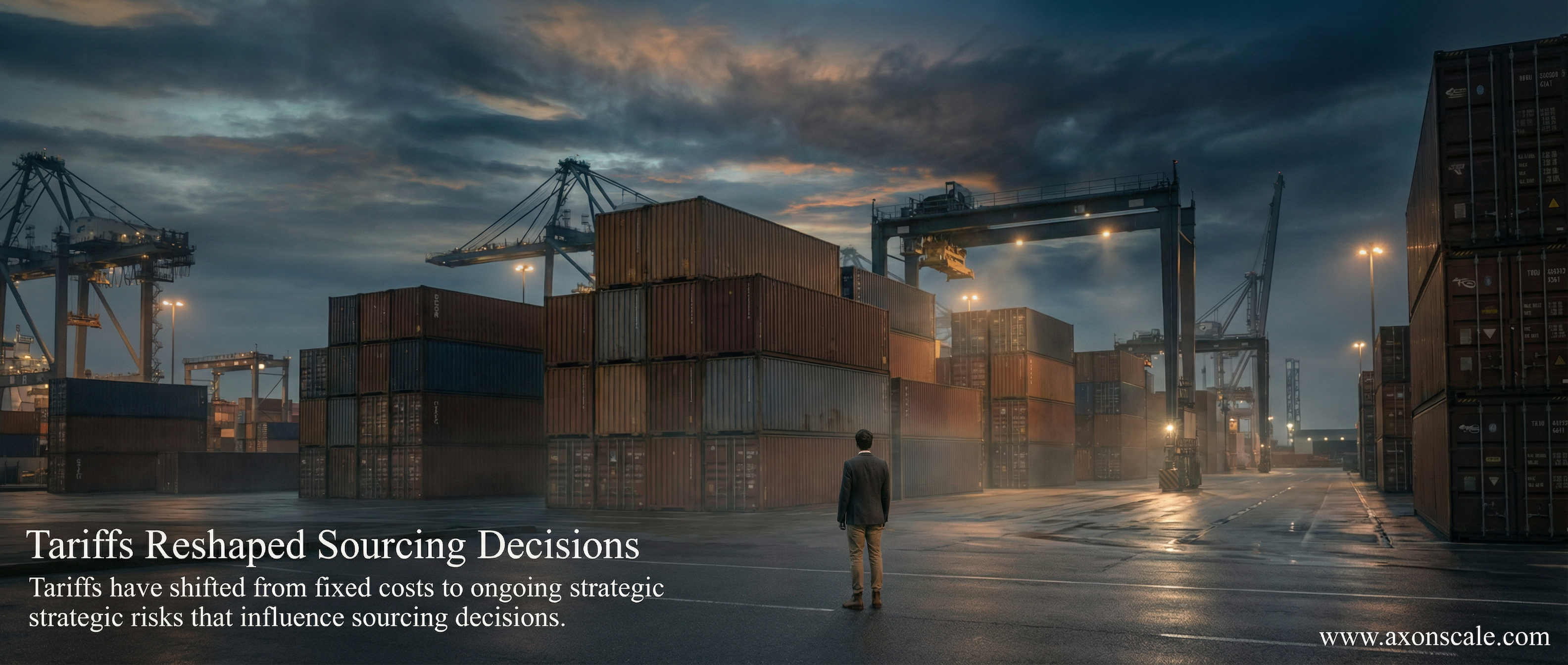
For decades, global sourcing strategies were optimized primarily around unit economics. Brands concentrated production in a limited number of regions to maximize labor efficiency, scale, and speed.
That approach is increasingly fragile.
In 2025, tariffs stopped behaving like predictable cost inputs and instead became dynamic risk factors. Policy changes altered ordering behavior, supplier allocation, and inventory strategy. As sourcing leaders cited by Vogue Business observed, the uncertainty surrounding tariff shifts often mattered as much as the tariff levels themselves.
As a result, sourcing strategies are now being structured around risk management. Geographic diversification, contingency capacity, and supplier flexibility are becoming baseline requirements rather than exceptional safeguards.
Stability Is Now a Strategic Asset
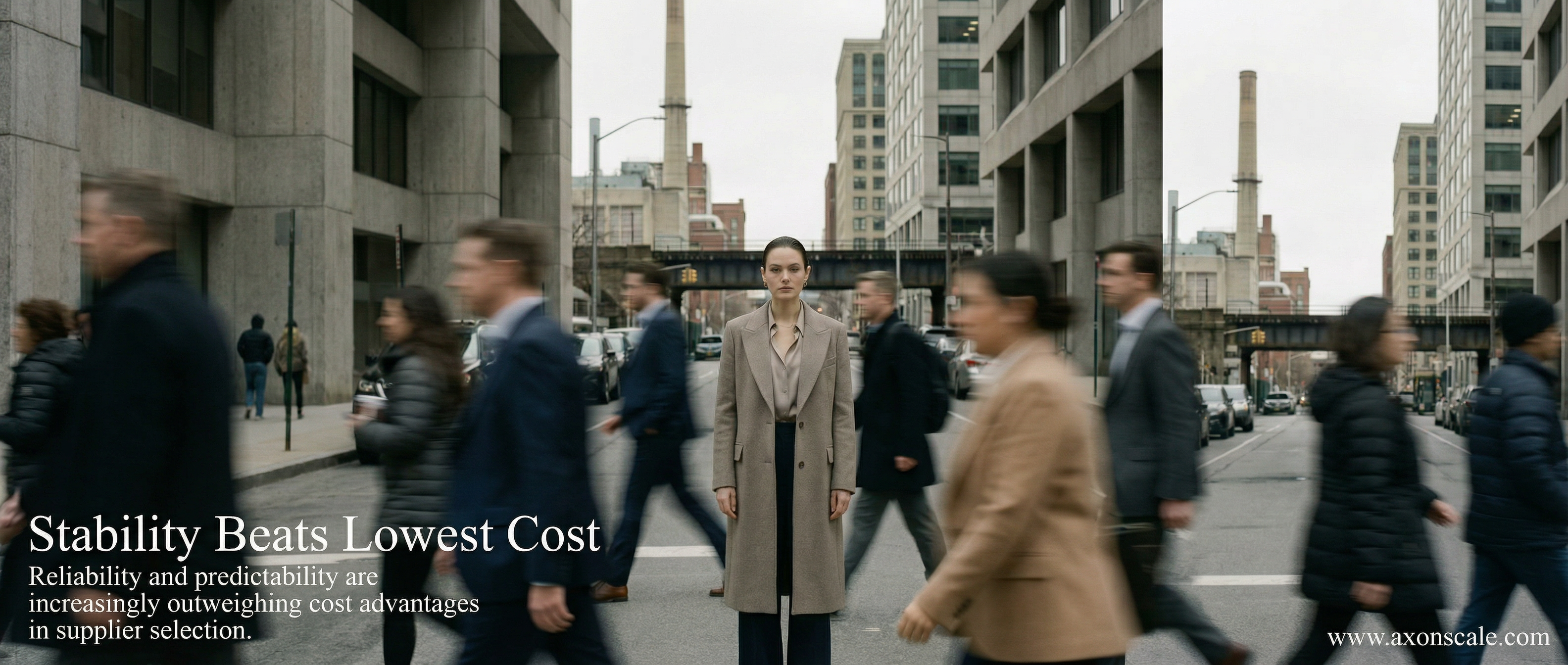
One of the clearest shifts identified by Vogue Business is the growing emphasis on operational stability over lowest cost.
Brands are prioritizing predictable lead times, consistent execution, reliable communication, and demonstrated performance under pressure. In volatile environments, a single missed delivery or production stoppage can offset years of incremental cost savings.
Suppliers that can consistently deliver, communicate transparently, and operate predictably are increasingly viewed as long-term strategic partners, even when their pricing is not the lowest available.
Climate Risk Has Become a Sourcing Variable
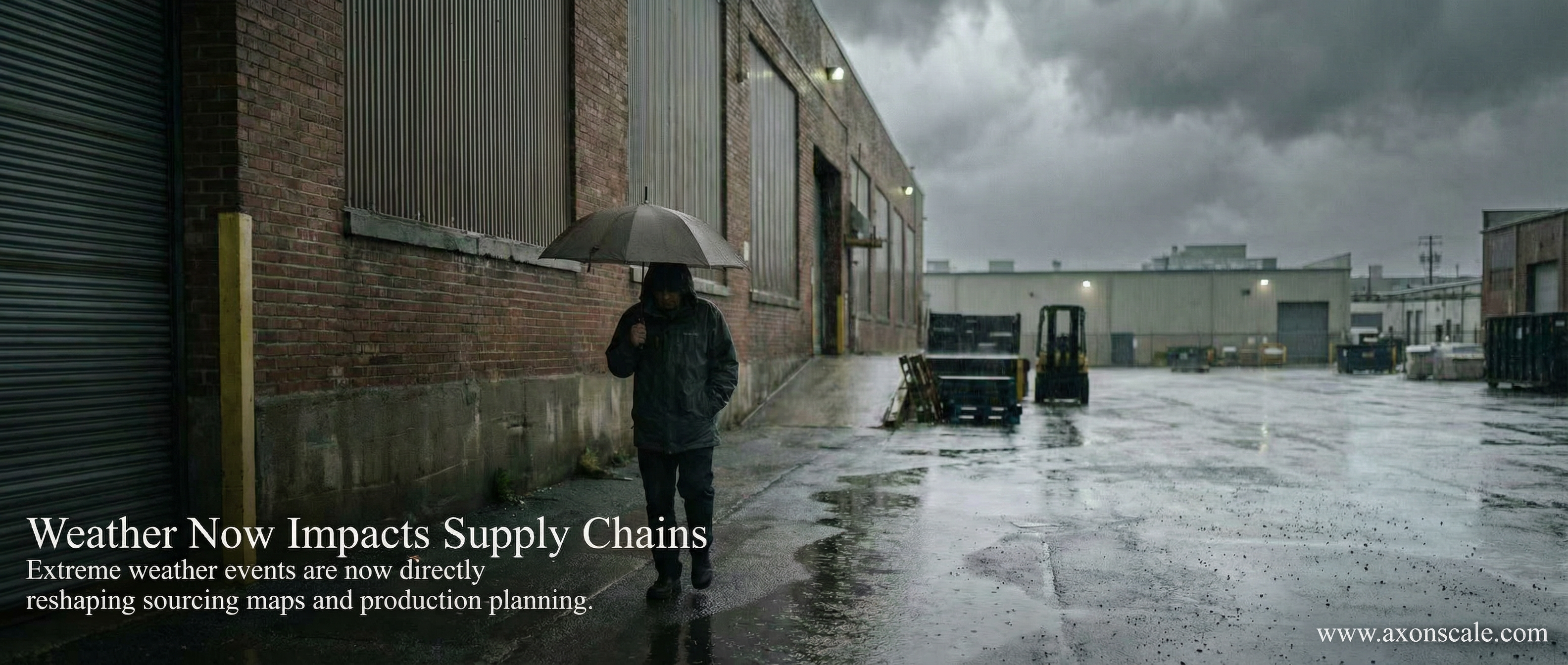
Extreme weather events are no longer treated as isolated disruptions. Flooding, heatwaves, and droughts in key manufacturing regions have directly impacted material availability, factory operations, and workforce safety.
According to Vogue Business, many brands now treat climate exposure as a core sourcing and logistics risk, rather than a sustainability-only concern. This shift has led to broader geographic distribution of production, increased flexibility in seasonal planning, and greater emphasis on infrastructure and operational resilience.
Climate risk is increasingly incorporated into supplier evaluation frameworks and long-term sourcing decisions.
Labor Stability Directly Affects Delivery
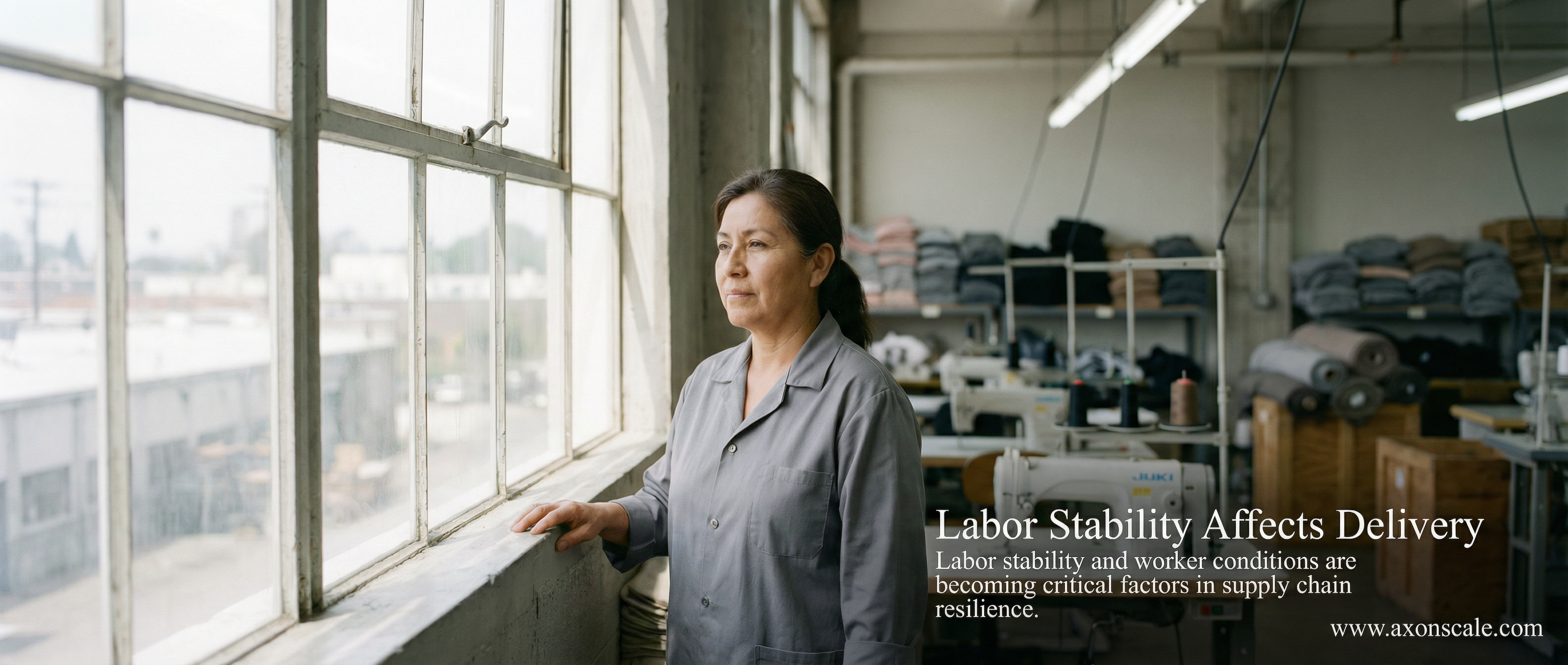
Labor conditions are now directly linked to supply chain reliability.
High turnover, informal employment practices, and inadequate working conditions reduce a factory’s ability to maintain consistent output, particularly during periods of disruption. As regulatory scrutiny increases and climate stress intensifies, labor stability has become a measurable operational risk.
More brands are assessing workforce stability, compliance maturity, and long-term labor practices alongside capacity and pricing when selecting and retaining suppliers.
Regulation Is Evolving — Not Disappearing

While some sustainability and due-diligence regulations have been delayed or adjusted, the overall regulatory trajectory remains consistent.
European frameworks governing supply chain transparency, environmental impact, and labor responsibility continue to advance. As noted by experts interviewed by Vogue Business, delayed timelines should not be interpreted as reduced expectations.
Organizations that invest early in compliance readiness, data visibility, and traceability infrastructure are better positioned than those relying on reactive adjustments.
Traceability Is Moving From Reporting to Control

Technology is playing an increasingly operational role in supply chain management.
Traceability platforms and AI-driven systems are no longer used solely for reporting or audits. They are becoming tools for real-time decision-making, allowing companies to assess exposure, identify regulatory or climate risks, and evaluate sourcing alternatives without compromising compliance.
In this context, traceability functions as an operational control layer rather than a compliance checkbox.
Looking Ahead: Preparing for 2026
Industry sentiment remains cautiously optimistic. Supply chains are adapting, but performance in 2026 will depend more on preparation than reaction.
Brands and operators that invest in stable supplier relationships, geographic diversification, climate and regulatory risk planning, and operational traceability will be better equipped to manage ongoing volatility.
As Vogue Business concludes, resilience is built through long-term collaboration, shared data, and deliberate strategy — not short-term optimization.
How Does Axonscale Come Into Play?
As supply chains shift toward stability, risk management, and long-term resilience, the challenge for brands is no longer understanding what to prioritize, but how to operationalize those priorities at scale. This is where Axonscale becomes a practical tool. The platform enables sourcing teams to identify and compare trusted suppliers across a wide range of categories based on location, certifications, minimum order quantities, lead times, production capabilities, and operational strengths. By structuring supplier data around the very variables highlighted in this article — reliability, geographic diversification, compliance readiness, and production fit — Axonscale helps teams move beyond price-driven decisions and build sourcing strategies aligned with the realities of 2026.